
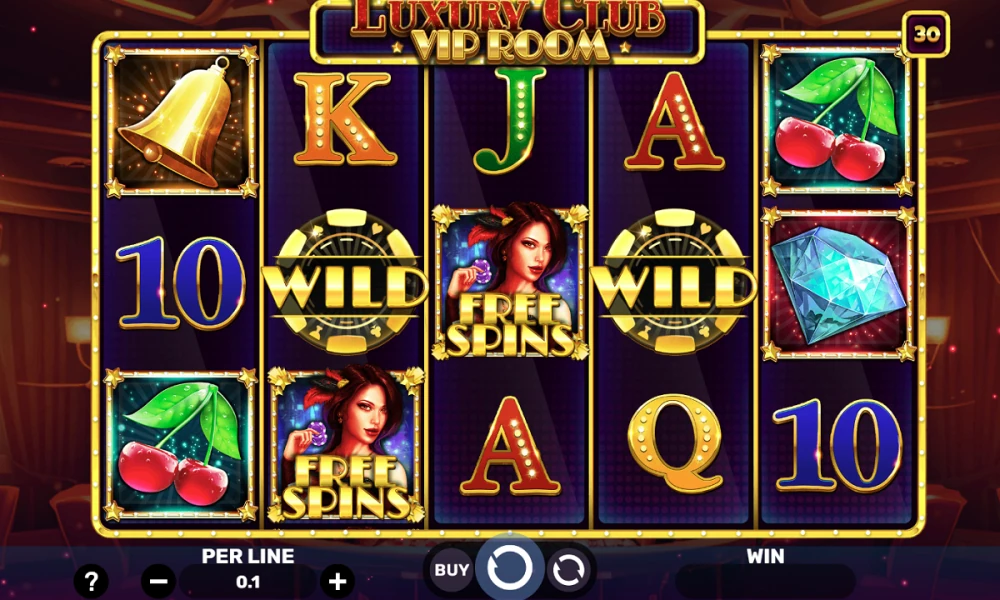
Most people who sit down to play at a real money casino already know the basics: the house has an edge, every spin is random and it makes sense to stick to a budget. Yet many still end a session having spent more than they planned, or having given back a win they promised themselves they would keep. The gap between knowing and doing is not a sign of weakness. It comes from the way the human brain responds to risk, reward and uncertainty. Understanding these mental shortcuts is one of the most effective ways to stay in control.
Why Near Misses and Small Wins Feel So Powerful
Few things in gaming feel as exciting as almost winning. Two jackpot symbols land and the third stops just above the line. The chicken in a step game is caught one lane before a big multiplier. Research on gambling behaviour has shown that near misses activate many of the same reward pathways in the brain as actual wins, which is why they create a strong urge to play again. Logically, a near miss is simply a loss. Emotionally, it feels like progress.
Small wins work in a similar way. On many slots, a “win” is smaller than the stake that produced it: you bet R10 and win R4, while the game celebrates with lights and sound. These moments feel positive even though your balance has gone down. Over a session, they can mask how much is actually being lost.
Being aware of these effects does not make them disappear, but it helps. When you notice a near miss or a celebrated small win, remind yourself what actually happened to your balance. Checking the number, rather than the animation, keeps decisions grounded in reality.
Game design reinforces these effects in subtle ways. Bright colours, celebratory sounds and fast animations all add to the sense of excitement, and the absence of clocks or natural pauses makes it easy to lose track of time. None of this is hidden or illegal, but it is worth recognising. Turning off sound effects, avoiding turbo modes and keeping your balance visible are small changes that help you see your play more clearly.
Chasing Losses and the Gambler’s Fallacy
Chasing losses is one of the most common and costly patterns in gambling. After a losing run, many players increase their stakes to win the money back quickly. The reasoning feels sensible in the moment, but it is built on a misunderstanding. Each round is independent, and a losing streak does not make a win more likely. Raising the stake simply increases the amount at risk while the odds stay exactly the same.
Closely related is the gambler’s fallacy, the belief that a result is “due” because it has not happened for a while. After seven reds on a roulette wheel, black feels overdue. After an hour without a bonus round, a slot feels ready to pay. In reality, the wheel and the random number generator have no memory. The fallacy is so natural that even people who understand probability fall for it under pressure.
The most reliable protection is to make decisions before you start playing, when your mind is calm. Decide your loss limit at home, write it down and stop when you reach it. Treat money lost as the cost of entertainment, not a debt that must be recovered.
The Win Trap, Illusion of Control and the “House Money” Effect
Winning brings its own risks. After a good result, many players start to treat their winnings as “house money”, separate from their own funds and therefore safe to gamble more freely. This is known as the house money effect. In reality, once a win is in your balance, it is your money just as much as your original deposit. Players who bet it more loosely often hand it straight back.
The illusion of control adds to this. Games that let you make choices, such as when to stop a step game, which cards to hold or when to press the spin button, can create a feeling that skill is influencing the outcome. In some games, like blackjack, decisions do affect the odds. In many others, they do not. Believing you have more control than you do can lead to overconfidence and bigger bets.
A simple tool helps here: a win goal. Decide before each session at what point you will cash out and stop, for example when your balance reaches 50% more than you started with. When you hit it, withdraw at least part of the money and end the session. It turns a win into something you actually keep.
Social factors play a role too. Watching friends win, hearing stories of big jackpots or seeing celebrated wins on social media can make winning seem far more common than it really is. These stories are memorable precisely because they are rare. The far more common experience of modest losses rarely gets shared, which can give a distorted picture of what gambling actually costs.
Building Habits That Protect You
Because these biases operate automatically, the best defences are habits and tools rather than willpower alone. Set deposit limits in your account settings so that the decision is made in advance. Use session reminders to break the sense of lost time. Avoid playing when tired, stressed, upset or after drinking, since these states weaken self-control. Take regular breaks away from the screen, and keep a simple log of what you deposit and withdraw to see your true results over time.
Choose licensed operators, check that online play is permitted where you live and use the responsible gambling tools they provide. If you notice yourself chasing losses, borrowing money to play or hiding your gambling from people close to you, treat that as a signal to pause. The National Responsible Gambling Programme in South Africa offers free, confidential help on 0800 006 008, including support for family members. Gambling is for adults aged 18 and over, and it is most enjoyable when your decisions, not your emotions, are in charge.

Comments are closed.